Introduction to Control Systems | GATE ECE
Control Systems engineering deals with designing systems that behave in a desired manner. Whether it is maintaining speed of a motor, stabilizing an aircraft, or controlling temperature — the goal is always the same: achieve desired output despite disturbances.
This chapter builds the foundation for entire Control Systems subject and is highly important for GATE as almost every question indirectly depends on these concepts.
Keywords: control system basics, open loop vs closed loop, feedback systems, control systems introduction GATE, block diagram basics, transfer function intro, control engineering fundamentals
What is a Control System?
A control system is a system that manages, commands, directs, or regulates the behavior of other devices or systems to achieve a desired output.
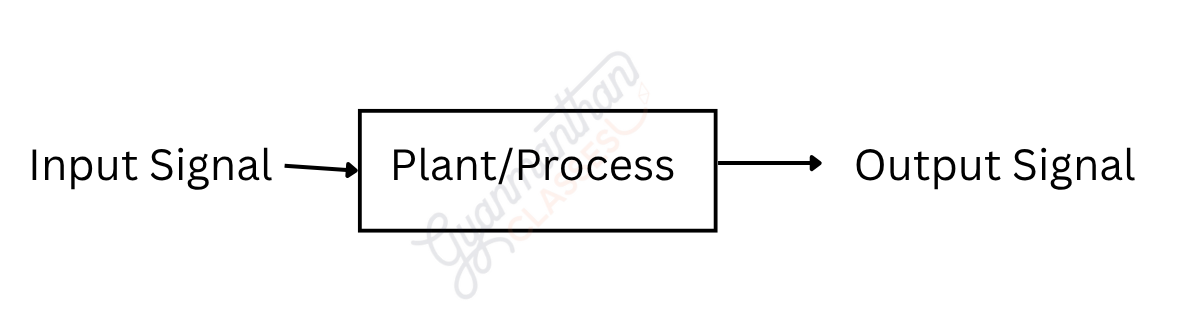
Input → System → Output (controlled)
$$ \text{Output} = \text{System}(\text{Input}) $$
Examples:
- Fan speed control
- Temperature control (AC)
- Automatic voltage regulator
Open Loop Control System
An open loop control system is one in which the output does not influence the input, meaning no feedback is used.
Examples:
- Electric heater
- Washing machine (timer-based)
Key Points:
- Simple and low cost
- No error correction
- Less accurate
Closed Loop Control System (Feedback)
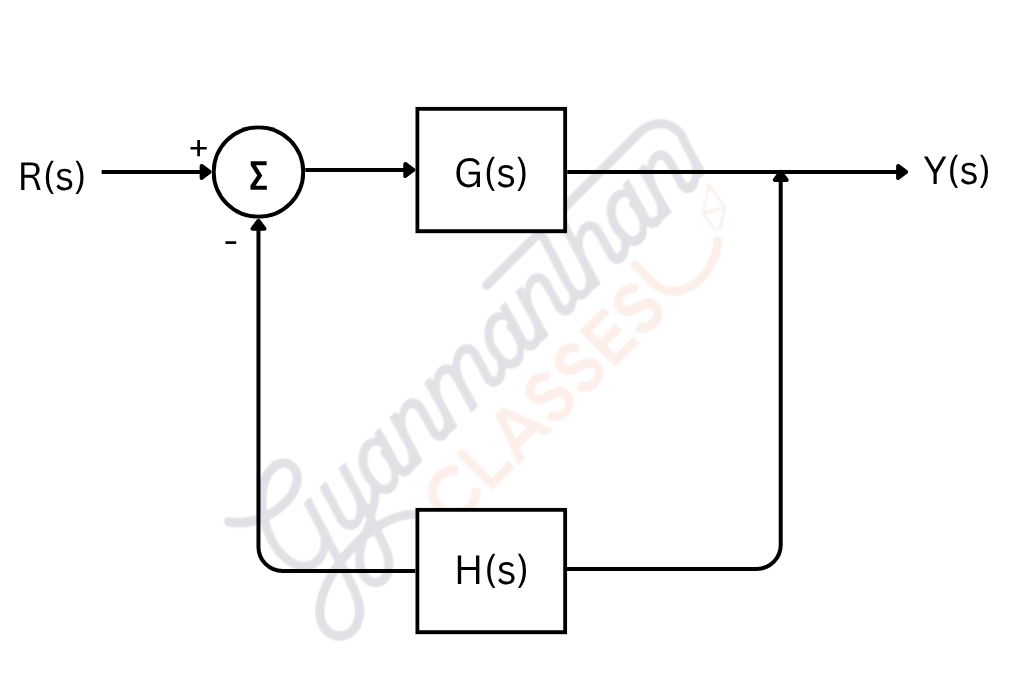
A closed loop system uses feedback to compare output with desired value.
$$ e(t) = r(t) - y(t) $$
Advantages:
- High accuracy
- Automatic correction
- Handles disturbances
Open Loop vs Closed Loop
| Feature | Open Loop | Closed Loop |
|---|---|---|
| Feedback | No | Yes |
| Accuracy | Low | High |
| Complexity | Simple | Complex |
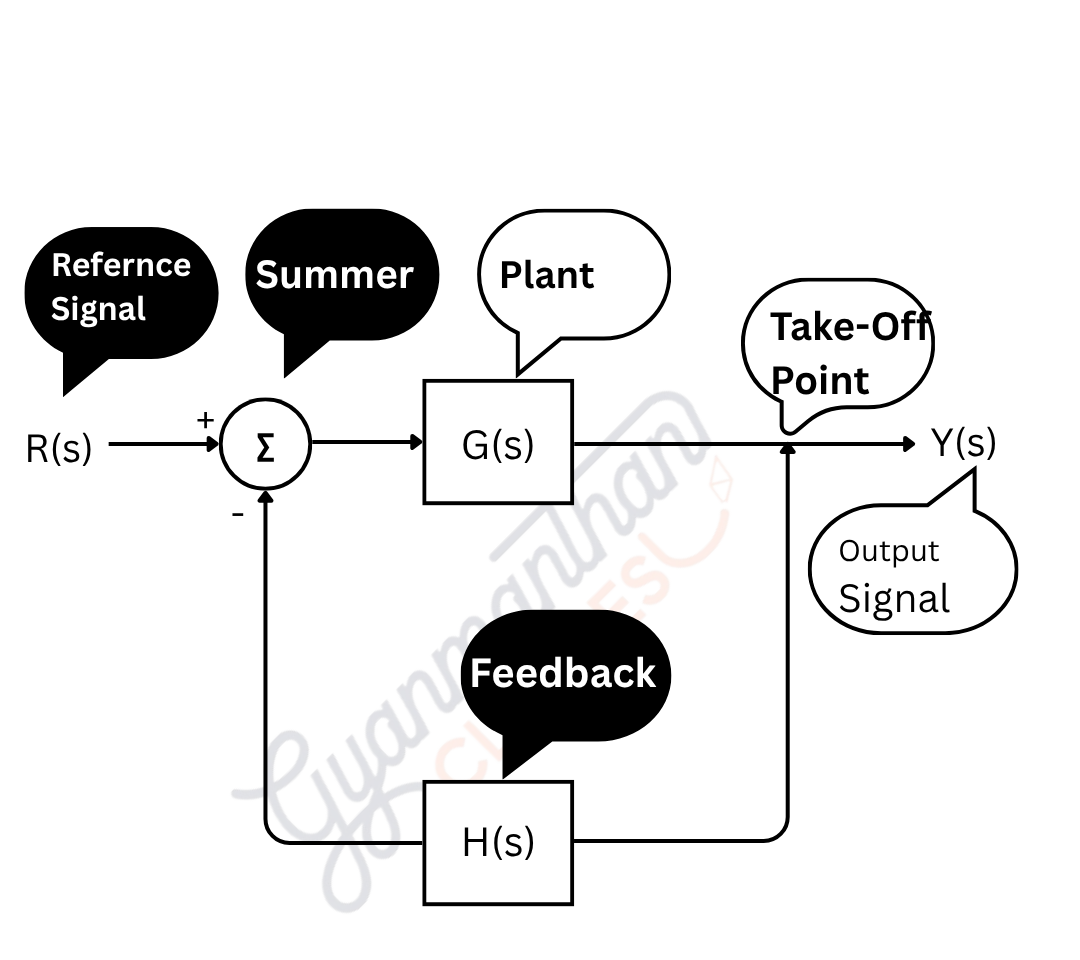
Basic Components
- Input (Reference) Signal
- Summer
- Plant
- Feedback
- Take-Off Point
- Output/Desired Signal
$$ T(s) = \frac{G(s)}{1 + G(s)H(s)} $$




Discussion / Comments